
Friday, November 21, 2025
Wild and Wilful
Sunday, July 12, 2020
The wetlands of Sunderbans
Sunderbans Wetlands
Cruising in the Sunderbans Tiger Reserve, before COVID-19 and Cyclone Amphan struck!
Four of us in our team consider that we were lucky to do this cruise in February 2020.
Here are the links which you can click to watch our impressions from the cruise.
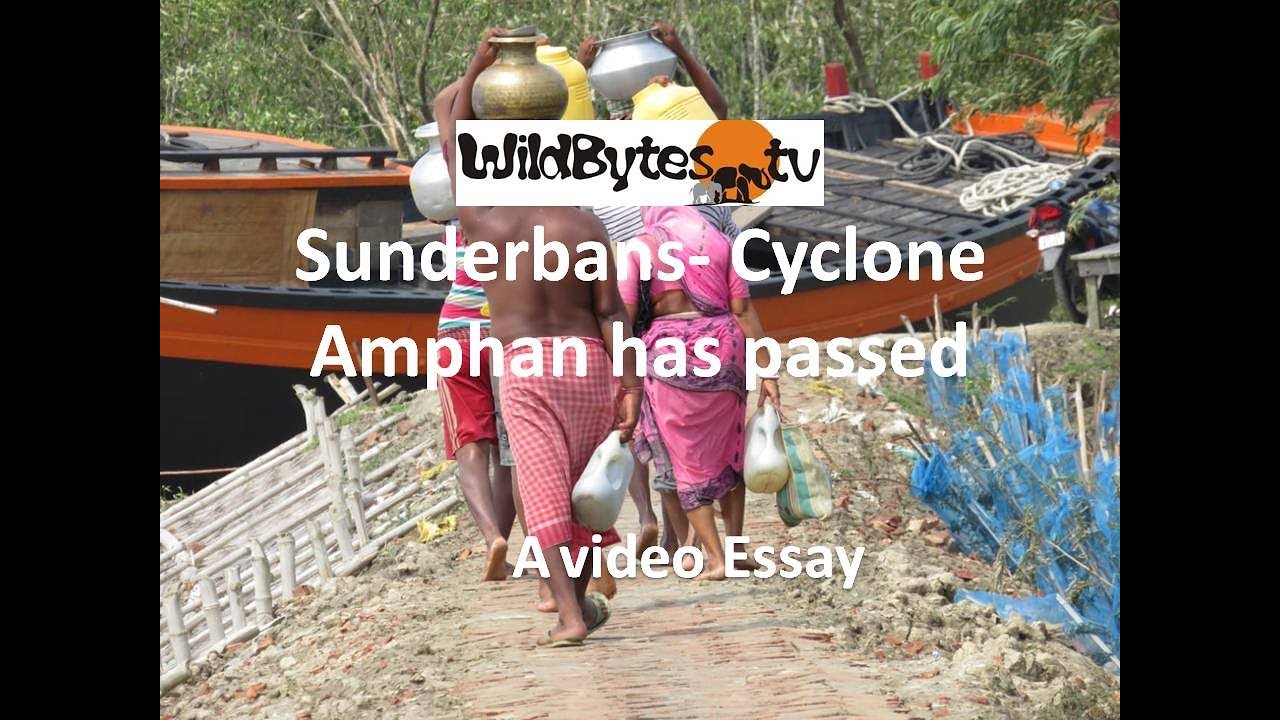
Sunderbans - Cyclone Amphan has passed, A video Essay by IndianWildlifeClub
Sunderbans Cruise -Day 1 with Team IndianWildlifeClub
Sundarbans Cruise - Day 2 in West Bengal's World Heritage Wetland Site
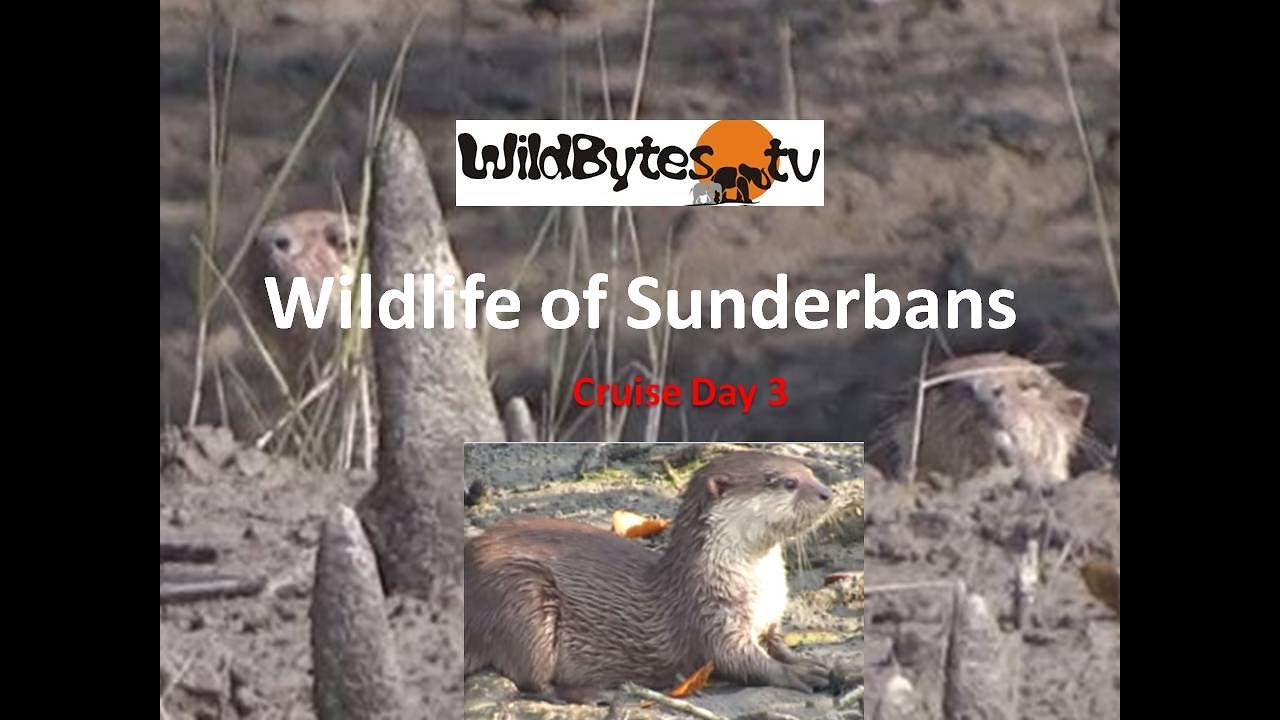
Wildlife of Sunderban Wetlands, West Bengal - Cruise Day 3


Sunday, May 17, 2020
Gardeners Report high levels of happiness-Princeton Study
Gardeners also report high levels of meaningfulness, especially for vegetable gardening
Ornamental gardening less so
Female and low- income gardeners, who often have a hard lot in life, reported high emotional well-being
Solo gardeners were just as happy as those with buddies
A study by Princeton notes that home gardening "is largely overlooked by policymakers".
As cities seek to become more livable and environment-friendly, activities like urban gardening (household and
community-gardening) are receiving much attention.
Home gardening contributes to a livable city and quality food initiatives.
Here is a link to that Princeton Study
https://www.sciencedirect.com/science/article/pii/S0169204619307297via3Dihub
Title
Is gardening associated with greater happiness of urban residents? A multi-activity, dynamic assessment in the Twin-Cities region, USA
Landscape and Urban Planning
Volume 198, June 2020, 103776
In India, trees and plants have been symbols of spirituality for ages
Paarijaat or Harshingar Hug this tree when tired, your tiredness will vanish!
Nakshatra Garden is an astro-themed garden, which has a large variety of plants and trees linked to zodiac signs.
Every starcombination has a symbolic tree or plant that defines its connection with eternal nature.
Here is a case where five acres of land have been donated to a monastery.
Green house for vegetables in an urban household
A community garden in a condominium
Plants can be our best bet to beat air pollution too!
Ecological services of gardening is yet to be acknowledged!!!
The nakshatra garden was shot at Chandigarh City Forest.
Related videos to this video can be watched at the following links
Garden for the garden less in Gurugram
https://youtu.be/_j5wGkKWMaY
Garden for the Garden -less, LONDON
https://youtu.be/cO1f4KtmrSQ
NOIDA Flower show-Snippets on co-operative farming, water gardening and butterfly gardening
https://youtu.be/G7fYtltM6bA
Pradooshan (pollution) Se Kaise Bache??
https://youtu.be/fF2s9GBr514
Black Gold -Composting of Kitchen waste at home for creating organic manure for your plants
https://youtu.be/qwjvcM3AP00
Thursday, May 7, 2020
Tuesday, November 19, 2019
Eravikulam National Park-Photos by Pazhaniswamy
Forest guard Pazhaniswamy posted at Eravikulam National Park has been sending me interesting photos of the flora and fauna of Eravikulam National Park, Kerala. As a guard accompanying tourists in the tourist bus which takes day tourists into the Park, Pazhani is in a position to observe the Park flora and fauna on a daily basis and he makes sure that his mobile clicks document the unusual visitors, seasonal flowers and other interesting tidbits.
Here is a sample of the photos he has been sending me. Pazhani can be contacted at +918281931335
Fauna clicked by Pazhaniswamy


Here is a sample of the photos he has been sending me. Pazhani can be contacted at +918281931335
Fauna clicked by Pazhaniswamy

Chameleon

Green vine snake

Herd of Nilgiri Tahr

Malabar Pit Viper

Nilgiri tahr
Flora clicked by Pazhaniswamy


Can anyone give the names of these flora?
Monday, August 26, 2019
Butterfly Pond Project in Gurugram
"Gurujal"*, an initiative by Gurgaon administration to address the water crisis in Gurgaon, invited proposals by citizens in three areas of pond cleaning, bio remediation and micro STP.
Our butterfly pond project was shortlisted for an EXPO held on 16th August 2019.
Here are some pictures from our Exhibit and the Expo


 EXPO BANNERS in the 9'by9'stall


Visitors and the Deputy Commissioner at the Stall
*Gurugram has been facing a water crisis at an alarming rate. The rapid urbanisation and constant pressure on the ground water has led to it being a DARK ZONE. To address this issue the government has formulated an initiative named Guru-Jal.
It is an INTEGRATED WATER MANAGEMENT initiative under the District Administration of Gurugram, Govt. of Haryana in collaboration with, Hero, CII, TERI SAS etc, to understand the gravity and the root causes of the problem. It aims to address the issue using a systems thinking approach with creative design solutions.
Our butterfly pond project was shortlisted for an EXPO held on 16th August 2019.
Here are some pictures from our Exhibit and the Expo


Visitors and the Deputy Commissioner at the Stall
*Gurugram has been facing a water crisis at an alarming rate. The rapid urbanisation and constant pressure on the ground water has led to it being a DARK ZONE. To address this issue the government has formulated an initiative named Guru-Jal.
It is an INTEGRATED WATER MANAGEMENT initiative under the District Administration of Gurugram, Govt. of Haryana in collaboration with, Hero, CII, TERI SAS etc, to understand the gravity and the root causes of the problem. It aims to address the issue using a systems thinking approach with creative design solutions.
Saturday, June 22, 2019
Naturalist Program at Satpura Tiger Reserve
The three days naturalist program at Satpura Tiger Reserve, promoted by Indianwildlifeclub.com has concluded successfully. The attendance was excellent and participants who attended had various and diverse interests in wildlife. According to our trainer Ashish Shah, many participants could be resource persons for birding, reptiles, insects etc for the next such program planned. The Forest Department Officials were available for field studies and extended full support for the program.


Participants Naturalist Program at Satpura Tiger Reserve 17th 19th June, 2019

Copy of certificate issued to participants

A class room study in progress
Monday, June 17, 2019
Satpura Tiger Reserve Naturalist Program

The three days Naturalist Program at Satpura Tiger Reserve started on 17th June, 2019.
Here is a photograph of the class room training by Ashish Shah on the first day

Friday, June 7, 2019
Butterfly Pond in Gurugram
After several consultations with Uthhan, Forest Department and landscape architects- (Uthaan is the NGO who is managing the Thousand Shades Butterfly Park in Gurugram), we have finally drawn up a workable sketch for the proposed water pond in one acre of the butterfly park.
Here is the sketch

Here is the sketch

We expect work to start soon and finish before the monsoon sets in.
This leaves us with very little time to raise the funds required for the project. As you are aware, the butterfly pond project is being crowdfunded by IndianWildlifeclub.com
Please support generously by crediting the following account
Account Details: Name - IndianWildlifeClub.com, Account No. - 30003443877, Bank - State Bank of India, Sushant Lok 1, Gurgaon, IFSC code - SBIN0004449
Alternately you can use our payment gateway to pay. Click on the amount to pay.
- Pay Rs. 2000 Pay Rs 2000
- Pay Rs. 1500 Pay Rs 1500
- Pay Rs. 1000 Pay Rs 1000
- Pay Rs. 500 Pay Rs 500
- Pay Rs 200 Pay Rs. 200
We thank all those who have already paid. Their names can be seen here
Look forward to your support!
Team IWC
Sunday, May 12, 2019
Alok Kaushik

Alok Kaushik, the technical brain behind IndianwildlifeClub.com, and associated with us for the last 20 years, is on the front page of today's Times Of India. (TOI dated 12th May 2019, Delhi edition) Read the full report titled "The C++ men: They can't see, but can code as fast as those with sight"
Alok is currently employed in London. He advises us on critical technical issues.

Wednesday, April 24, 2019
Breaking News -Butterfly Pond in Thousand Shades Butterfly Park, Gurgaon
Contribute to make the butterfly pond a success!. Contributors who give Rs 1000 and above will be mentioned.
Here is the support link
https://indianwildlifeclub.com/funding/butterflypond/pay.aspx
Saturday, October 27, 2018
Bharatpur Bird Sanctuary
Bharatpur Bird Sanctuary is now known as Keoladeo National Park. The 29 square km park’s woods and man-made wetlands protect over 350 species of migratory and resident birds, including herons, cormorants and eagles. It is also a World Heritage Site.
During the month of October, when this video was made, the resident birds are breeding. November onwards, the migratory birds start arriving.
As the park lies on the Central Asian Flyway of the Asia Pacific Global Migratory
Flyway, it is a staging / wintering ground for a large number of migratory waterfowls. The rare Siberian cranes used to winter in this park but this central population is now extinct. The last Siberian Crane was seen here in 2002.
The sanctuary was created 250 years ago and is named after a Keoladeo (Shiva) temple within its boundaries. The park was a hunting ground for the Maharajas of Bharatpur, a tradition dating back to 1850, and duck shoots were organised yearly in honour of the British viceroys.
Video Susan Sharma
Music Chris_Zabriskie_-_03_-_Theres_Probably_No_Time
Watch this film at https://youtu.be/wsarA-A6uFU

Saturday, October 13, 2018
Sarahan-a sanctuary for mountain birds
Mountain pheasants are seen in the Himalayan region. In India they occur in Himachal Pradesh, Uttarakhand, Sikkim and J&K. Neighboring countries like Pakistan and Afghanistan also have some. Pheasants are the Winged guardians of Mountainscapes. Pheasants are the species of birds to which our national bird, the peacock, belongs.
Pheasants are an indicator species for the health of our mountains. About a third of all the pheasants in the world are found in India. While many pheasants have been reduced to birds for captive breeding (like the jungle fowl) or as game birds in the US and Europe, several parts of Asia still have the wild population. Seeing a tragopan in the wild can be compared only to seeing a tiger in the wild for the first time. The round black-bordered white spots or ocelli on the tragopan's feathers make it look like the King of Birds studded with diamonds all over. No wonder the local names for the tragopan are "Jewar" and "Sonalu". The tragopan is the state bird of Himachal Pradesh.
The beautiful monal pheasant, 'the bird of nine colours', is the state bird for nd Uttarakhand and Nepal. Monal feathers used to adorn the Kinnaur Caps of wealthy persons. Now their use is banned officially.
The birds cannot be viewed as game birds as most of the Western community does but these birds are the winged guardians of our mountainscapes. The pheasants are more than just beautiful birds, for they also have scientific value for environmentalists and ecologists. Years of research have shown that Himalayan pheasants are mostly found in moist, temperate forests where there is a thriving community of oak trees. Oaks are important in ecological terms because they grow only in forests that are mature with plenty of healthy undergrowth in the form of vibrant grasses and bushes and a wide array of specialized tree species. After establishing the close link between oak trees and pheasants, ecologists have reached the conclusion that a fall in pheasant population mirrors an adverse change in the mature forest habitat.
The hills and valleys of the Himalayan ranges are the only areas left in the world where these exotic birds species still exist in their natural surroundings. Western Tragopan, Himalayan Monal, Cheer, Koklass and Khaleej - the mountainscapes exist because they exist. Anyone living in the mountains will vouch for the Himalayan Monal whose calls warn the ground dwelling animals like musk deer, tahr and bear of approaching hunters /poachers. It is high time we removed the tag of game birds from pheasants.
See our short films
Sarahan-a Sanctuary for mountain birds
https://youtu.be/6xZtmM0uIZg

Mountain pheasants-Winged guardians of our mountainscapes
https://youtu.be/Np5kMkXdvKI
Sunday, October 7, 2018
First release of captive-bred* vultures in Asia
See our video on vultures of India at
https://youtu.be/3ktlmpnyDvE
First release of captive-bred* vultures in Asia
Nepal and SAVE witnessed a further landmark for Asian vulture conservation on 17th September 2018, when the Government of Nepal and national and international conservation organisations released 12 critically endangered white-rumped vultures Gyps bengalensis, including the first eight birds actually hatched within the conservation breeding programme. Releases last year of birds reared (but not hatched) in the programme have so far shown very promising signs of survival and success, and in addition, 20 wild birds have now been satellite-tagged - 11 in 2017, and a further 9 just prior to this release.
 The first gate opens and several birds immediately joined the wild birds at the carcass outside. Photo: BCN
The work is a truly collaborative effort of many partners, led by Bird Conservation Nepal (BCN) and the National Trust for Nature Conservation (NTNC) together with Chitwan National Park and the Department of National Parks & Wildlife Conservation (DNPWC). The Director General of DNPWC and a small group of officials, scientists and community leaders watched as the BCN team quietly opened the doors of the release aviary using a remote pulley system. Six of the twelve vultures exited the release aviary and joined the wild birds feeding on the buffalo carcass almost immediately, and all twelve came out within half an hour. Six of the birds later returned inside the aviary where they spent the night, but immediately flew out again the following morning. The release site is at the village of Pithauli, Nawalparasi, close to Nepal’s Chitwan National Park.
“This is a world first for the release of white-rumped vultures actually bred in the Nepal breeding centre and is a major step for establishing secure wild populations now that we are confident that the veterinary use of diclofenac has been stopped in this country” said Mr Man Bahadur Khadka, DG, DNPWC.
The previous week, an expert team from the UK (Royal Society for the Protection of Birds (RSPB) and Forestry Commission) together with the BCN team had fitted satellite tags to the birds with carefully designed harnesses (using the thoracic cross-hatch method), ready so they can be monitored after the release, and give us vital information about their movements, and any problems or causes of mortality . The team also caught and tagged nine wild white-rumped vultures, which are already being monitored, to compare their movements and behaviour with the released birds.
 Fitting the satellite tag and wing-tags a week before the release. Photo: BCN
“The monitoring of the satellite-tagged birds is an important way to understand how well the birds are surviving, and to assess the safety of the “Vulture Safe Zone” said Ishana Thapa, CEO of BCN. “If these and the previously tagged birds all survive then this is a further sign that the vulture conservation efforts are working”. Krishna Bhusal, BCN’s Vulture Conservation Program Officer of BCN added: “Releasing vultures, hatched in captivity, in this location, combines our in situ and ex situ efforts to save these birds, and the process of keeping the birds in the pre-release aviary for several months before release allows them to adjust and interact with wild birds - This is an exciting day for me and all Nepal”.
 The officials slowly open the first gate of the release aviary using the remote pulley. Photo: BCN
Chitwan’s Chief Conservation Officer, Bed Kumar Dhakal said “We are proud that the vulture breeding at the Breeding Centre in Chitwan National Park has taken off, with nine chicks last year and six more in 2018”. Jemima Parry Jones, UK birds of prey expert from the International Centre for Birds of Prey (ICBP) who advises the project said “Breeding and releasing these birds is a great credit to all involved, and shows how a combination of international and national partners can work successfully together to achieve very significant results. The huge success of the VSZs has meant we can have these amazing releases and aim towards all the vultures being back out in the wild by 2023”. Craig Pritchard, senior vet representing ZSL said how the birds all appeared to be in very good condition, and how pleased and privileged he felt to be part of this joint collaborative effort.
 Briefing and speeches of the release immediately beforehand. Photo: BCN
Mr DB Choudhary, the local conservation community leader added “The Nawalparasi community is proud that their area has been selected for this historic release, following a series of vulture conservation initiatives in the area including running the vulture-safe feeding site here since 2006”
Chris Bowden, RSPB and Saving Asia’s Vultures from Extinction (SAVE) Programme Manager said “The successful removal of veterinary diclofenac across Nepal thanks to a lot of hard work, is the real reason behind the success so far and without this we couldn’t have gone ahead. These are the first ever Asian vultures to have been hatched and bred within a breeding programme and taken to the concluding phase of release to the wild. This illustrates the rationale behind these efforts and if enough birds survive without encountering killer veterinary drugs, we will be on track to release all the birds by 2023”
The vulture conservation work in Nepal is carried out with the full support of DNPWC, and led by BCN. The breeding centre was established in 2008 and is jointly managed by NTNC and Chitwan National Park. The main funding (and technical) support has come from the RSPB, but significant resources also come from all organisations involved as well as the Zoological Society of London (ZSL) who provide veterinary support and helped with funds for the release aviary, and the International Centre for Birds of Prey (ICBP) in the UK.
 Flying free. Photo: Rajendra Gurung BCN
Calendar of the Nepal white-rumped vulture release programme so far:
• April 2017: Transfer of the first 6 captive-reared* birds from the breeding centre to the release aviary. Trapped, satellite-tagged and released 6 wild white-rumped vultures
• November 2017: First release of 6 captive-reared birds. (Note five of the six released birds still alive and well after 10 months, but one was lost, possibly predated by a leopard)
Caught and tagged 5 more wild birds.
• April 2018: Transferred 12 vultures from the breeding centre to the release aviaries.
• September 2018: Released the first 8 captive-bred birds*, plus a further 4 captive-reared birds. Also tagged and released 9 more wild birds.
• There is now a total of 37 satellite tagged white rumped vultures, 20 wild birds and 17 released. All were caught or released in Nawalparasi in Nepal.
*Captive reared vultures are birds that came in as chicks collected from wild nests (in 2009 and 2010) reared and placed in the breeding centre for the breeding programme.
* Captive bred vultures are the offspring of those captive reared birds, hatched and parent reared in the breeding programme.
For more information on the Saving Asia’s Vultures from Extinction (SAVE) partnership and further news updates check www.save-vultures.org and www.birdlifenepal.org
https://youtu.be/3ktlmpnyDvE
First release of captive-bred* vultures in Asia
Nepal and SAVE witnessed a further landmark for Asian vulture conservation on 17th September 2018, when the Government of Nepal and national and international conservation organisations released 12 critically endangered white-rumped vultures Gyps bengalensis, including the first eight birds actually hatched within the conservation breeding programme. Releases last year of birds reared (but not hatched) in the programme have so far shown very promising signs of survival and success, and in addition, 20 wild birds have now been satellite-tagged - 11 in 2017, and a further 9 just prior to this release.

The work is a truly collaborative effort of many partners, led by Bird Conservation Nepal (BCN) and the National Trust for Nature Conservation (NTNC) together with Chitwan National Park and the Department of National Parks & Wildlife Conservation (DNPWC). The Director General of DNPWC and a small group of officials, scientists and community leaders watched as the BCN team quietly opened the doors of the release aviary using a remote pulley system. Six of the twelve vultures exited the release aviary and joined the wild birds feeding on the buffalo carcass almost immediately, and all twelve came out within half an hour. Six of the birds later returned inside the aviary where they spent the night, but immediately flew out again the following morning. The release site is at the village of Pithauli, Nawalparasi, close to Nepal’s Chitwan National Park.
“This is a world first for the release of white-rumped vultures actually bred in the Nepal breeding centre and is a major step for establishing secure wild populations now that we are confident that the veterinary use of diclofenac has been stopped in this country” said Mr Man Bahadur Khadka, DG, DNPWC.
The previous week, an expert team from the UK (Royal Society for the Protection of Birds (RSPB) and Forestry Commission) together with the BCN team had fitted satellite tags to the birds with carefully designed harnesses (using the thoracic cross-hatch method), ready so they can be monitored after the release, and give us vital information about their movements, and any problems or causes of mortality . The team also caught and tagged nine wild white-rumped vultures, which are already being monitored, to compare their movements and behaviour with the released birds.

“The monitoring of the satellite-tagged birds is an important way to understand how well the birds are surviving, and to assess the safety of the “Vulture Safe Zone” said Ishana Thapa, CEO of BCN. “If these and the previously tagged birds all survive then this is a further sign that the vulture conservation efforts are working”. Krishna Bhusal, BCN’s Vulture Conservation Program Officer of BCN added: “Releasing vultures, hatched in captivity, in this location, combines our in situ and ex situ efforts to save these birds, and the process of keeping the birds in the pre-release aviary for several months before release allows them to adjust and interact with wild birds - This is an exciting day for me and all Nepal”.

Chitwan’s Chief Conservation Officer, Bed Kumar Dhakal said “We are proud that the vulture breeding at the Breeding Centre in Chitwan National Park has taken off, with nine chicks last year and six more in 2018”. Jemima Parry Jones, UK birds of prey expert from the International Centre for Birds of Prey (ICBP) who advises the project said “Breeding and releasing these birds is a great credit to all involved, and shows how a combination of international and national partners can work successfully together to achieve very significant results. The huge success of the VSZs has meant we can have these amazing releases and aim towards all the vultures being back out in the wild by 2023”. Craig Pritchard, senior vet representing ZSL said how the birds all appeared to be in very good condition, and how pleased and privileged he felt to be part of this joint collaborative effort.

Mr DB Choudhary, the local conservation community leader added “The Nawalparasi community is proud that their area has been selected for this historic release, following a series of vulture conservation initiatives in the area including running the vulture-safe feeding site here since 2006”
Chris Bowden, RSPB and Saving Asia’s Vultures from Extinction (SAVE) Programme Manager said “The successful removal of veterinary diclofenac across Nepal thanks to a lot of hard work, is the real reason behind the success so far and without this we couldn’t have gone ahead. These are the first ever Asian vultures to have been hatched and bred within a breeding programme and taken to the concluding phase of release to the wild. This illustrates the rationale behind these efforts and if enough birds survive without encountering killer veterinary drugs, we will be on track to release all the birds by 2023”
The vulture conservation work in Nepal is carried out with the full support of DNPWC, and led by BCN. The breeding centre was established in 2008 and is jointly managed by NTNC and Chitwan National Park. The main funding (and technical) support has come from the RSPB, but significant resources also come from all organisations involved as well as the Zoological Society of London (ZSL) who provide veterinary support and helped with funds for the release aviary, and the International Centre for Birds of Prey (ICBP) in the UK.

Calendar of the Nepal white-rumped vulture release programme so far:
• April 2017: Transfer of the first 6 captive-reared* birds from the breeding centre to the release aviary. Trapped, satellite-tagged and released 6 wild white-rumped vultures
• November 2017: First release of 6 captive-reared birds. (Note five of the six released birds still alive and well after 10 months, but one was lost, possibly predated by a leopard)
Caught and tagged 5 more wild birds.
• April 2018: Transferred 12 vultures from the breeding centre to the release aviaries.
• September 2018: Released the first 8 captive-bred birds*, plus a further 4 captive-reared birds. Also tagged and released 9 more wild birds.
• There is now a total of 37 satellite tagged white rumped vultures, 20 wild birds and 17 released. All were caught or released in Nawalparasi in Nepal.
*Captive reared vultures are birds that came in as chicks collected from wild nests (in 2009 and 2010) reared and placed in the breeding centre for the breeding programme.
* Captive bred vultures are the offspring of those captive reared birds, hatched and parent reared in the breeding programme.
For more information on the Saving Asia’s Vultures from Extinction (SAVE) partnership and further news updates check www.save-vultures.org and www.birdlifenepal.org
Saturday, October 6, 2018
Why the bulbul built a nest at our doorstep
Why did the bulbul choose a tree at the entrance to our house to build a nest? Well, here is the story.
Our garden has feral cats, shikras and tree pies visiting regularly. Needless to say all three are predators of birds. The bulbul perceived less threat from the occupants of the house.
I Watched the parent birds and chick through the camera sitting in my house comfortably. Visitors to our house never noticed the nest, so the chick hatched successfully and grew into a handsome bulbul.

An organic garden which is not manicured, but left to grow naturally. That is the secret of attracting birds and butterflies into your garden. For me the pleasure of gardening is complete when I see it come alive with bird chirpings.
Please share the video if you like it. Please also tell what you think about the video. Here is the link to the video.
https://youtu.be/csI7uur4mt8
Friday, September 28, 2018
Human elephant conflict
Shaleen Attre is currently pursuing an MSc in Conservation and International Wildlife Trade at the Durrell Institute of Conservation and Ecology at University of Kent in Canterbury, UK. Hear her talk about the complex nature of elephant conservation in India.
The specter of this gentle animal turning into a threat to humans needs to be taken seriously by conservationists. Wildlife Research and Conservation Society(WRCS) of Pune has been doing some work at grass roots to mitigate this issue. Read about this at
http://indianwildlifeclub.com/ezine/view/details.aspx?cid=25&m=6&y=2016
http://indianwildlifeclub.com/ezine/view/details.aspx?aid=1186
See the short film at
https://youtu.be/Z08hNz-Puok

The specter of this gentle animal turning into a threat to humans needs to be taken seriously by conservationists. Wildlife Research and Conservation Society(WRCS) of Pune has been doing some work at grass roots to mitigate this issue. Read about this at
http://indianwildlifeclub.com/ezine/view/details.aspx?cid=25&m=6&y=2016
http://indianwildlifeclub.com/ezine/view/details.aspx?aid=1186
See the short film at
https://youtu.be/Z08hNz-Puok
Wednesday, September 12, 2018
Wildlife Conservation as a career choice
Shaleen Attre, co-founder of indiansnakes.org talks about her views on a career in wildlife. She is interviewed by Susan Sharma.
Thursday, September 6, 2018
Thursday, July 26, 2018
Friday, June 1, 2018

When it comes to snakes, Romulus Whitaker is the last word for the passion and commitment he brings to his life's mission. At the Express Adda in Delhi he responded to all the questions, fears and reservations the common man has when it comes to facing snakes.
He emphasized on the role of parents and teachers in shaping a child's attitude toward snakes. So this was a conversation with an adult audience, which included many nature lovers and a section of the general public.
Quote "Especially in a country where we have 50,000 people dying of snake bites every year and many more getting permanently injured by snakes; it’s avoidable. But getting these messages out there, especially to rural India, is not easy. We are a country steeped in misbeliefs, so it gets a little awkward to say that what your grandfather told you is a lie. One has to do it in a much more diplomatic way and get it across to people that snakes are not after us. Snakes are, in fact, very frightened of us." Romulus Whitaker
Read the detailed report at
https://tinyurl.com/yavtcfv3
The Session will also be telecast on CNBC TV18 on Sunday, June 3, 1.30 pm.

Subscribe to:
Posts (Atom)